Is Your Coffee Stirrer Elevating or Eroding Your Brand Experience?
In the competitive landscape of the coffee business, every detail contributes to the overarching brand narrative. While the industry has largely embraced sustainable alternatives, moving from plastic to wood, a new set of challenges has emerged for B2B buyers. These often manifest as subtle yet significant customer dissatisfactions: concerns over splinters, an undesirable woody aftertaste, or stirrers that fail under use. These seemingly minor issues can subtly undermine the premium experience your brand strives to deliver.
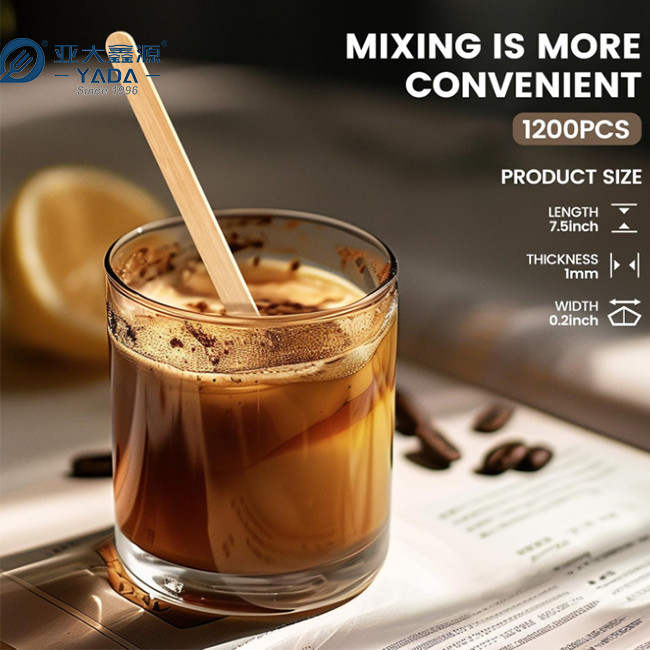
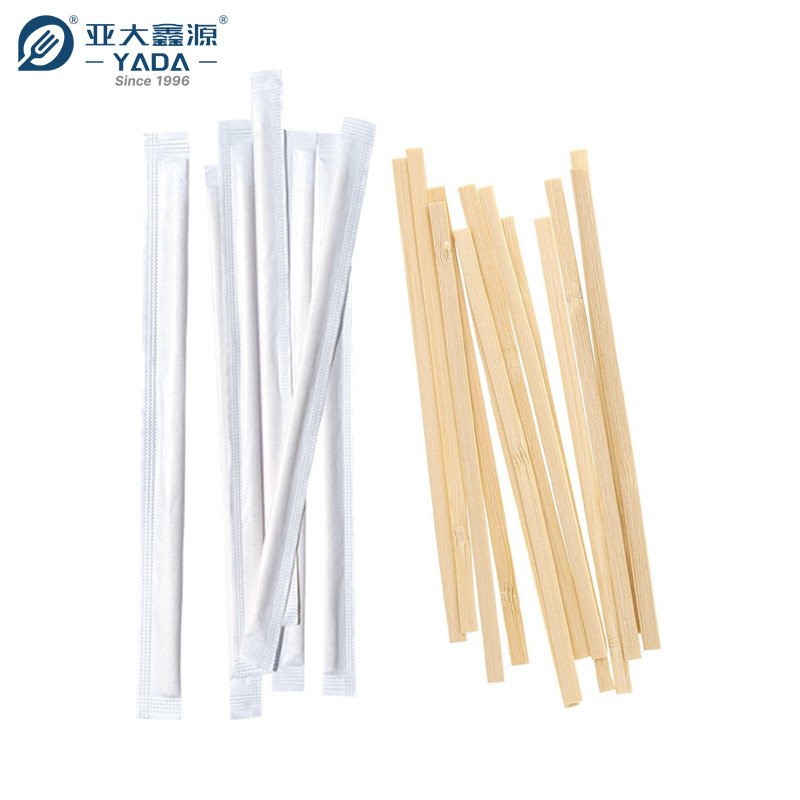
Safeguarding Your Signature Flavors: Beyond the Unwanted Aftertaste
The Challenge: Many B2B clients report that while wooden stirrers address sustainability concerns, they often introduce an unwelcome woody or papery taste, compromising the delicate flavor profile of premium beverages. This can lead to customer complaints and detract from the perceived quality of the drink, ultimately impacting customer satisfaction and repeat business.
The Solution: Selecting stirrers crafted from high-density, non-porous materials, such as premium white birch, is crucial. Such materials are naturally neutral and odorless, ensuring that the stirrer remains imperceptible, allowing the true essence of the coffee or beverage to shine through. This strategic choice safeguards your brand's commitment to quality and enhances the overall customer experience.


Ensuring Customer Safety and Satisfaction: Eliminating Splinters and Breakage
The Challenge: Substandard wooden stirrers, often due to inadequate polishing or inferior wood quality, pose significant risks. Splinters can lead to immediate customer dissatisfaction, negative reviews, and even potential safety liabilities. Furthermore, brittle stirrers that break during use can disrupt the customer experience and reflect poorly on the quality standards of the establishment.
The Solution: Prioritizing stirrers manufactured with advanced production processes, including multiple sanding and polishing stages, is essential. This ensures a smooth, splinter-free finish and rounded edges, enhancing user comfort and safety. Coupled with the inherent strength of materials like birch, these stirrers offer superior durability, preventing breakage even in thicker beverages. This commitment to safety and quality reinforces customer trust and protects your brand's reputation.
Navigating Regulatory Compliance: Simplified FSC® Traceability
The Challenge: In an era of heightened environmental awareness and stringent regulations, B2B importers face increasing pressure to demonstrate the ethical and sustainable sourcing of their timber products. Failure to provide verifiable documentation of timber origin can result in substantial fines, reputational damage, and disruptions to the supply chain. Ensuring compliance is a complex and critical aspect of responsible business operations.
The Solution: Partnering with suppliers who adhere to internationally recognized sustainability standards, such as FSC® or PEFC, offers a clear path to simplified compliance. These certifications provide a robust framework for traceability, ensuring that every product can be tracked back to its responsibly managed forest source. By choosing certified products, businesses can confidently meet environmental audit requirements, mitigate regulatory risks, and reinforce their commitment to sustainable practices, thereby strengthening their brand's integrity.
Understanding FSC and PEFC Certifications
When you see a product with a Forest Stewardship Council (FSC) or Programme for the Endorsement of Forest Certification (PEFC) logo, it's a guarantee of responsible sourcing.
FSC Certification: Ensures that the wood comes from forests managed to maintain biodiversity, respect the rights of local communities and indigenous peoples, and ensure long-term economic viability.
PEFC Certification: A global umbrella organization that endorses national forest certification systems. It focuses on sustainable forest management from environmental, social, and economic perspectives. These certifications provide traceability from the forest to the final product, assuring consumers that their purchase supports responsible forestry practices and combat illegal logging.


No Taste, No Odor: Preserving the Purity of Your Coffee
Coffee aficionados know that the subtle notes and aromas of their brew are sacred. A significant advantage of birchwood is its neutral profile; it does not impart any woody taste or odor to beverages, even at high temperatures. This ensures that the only thing you taste is your coffee, just as the roaster intended. The integrity of the beverage experience is maintained, a detail that both consumers and cafes appreciate
Birchwood Stirrer VS Plastic Stirrer
| Feature
| Birchwood Stirrer | Plastic Stirrer |
| Material Source | Renewable (Trees) | Non-renewable (Petroleum) |
| Biodegradable | Yes | No (persists for centuries) |
| Food Safety | Excellent; non-toxic, tight-grain. | Can leach chemicals (BPA) |
Taste Transfer | None. | Can impart a plastic taste |
Carbon Footprint | Lower|sourced from carbon-seguestering trees | Higher, fossil fuel-intensive |
Certifications | FSC available for ethical sourcing. | N/A |
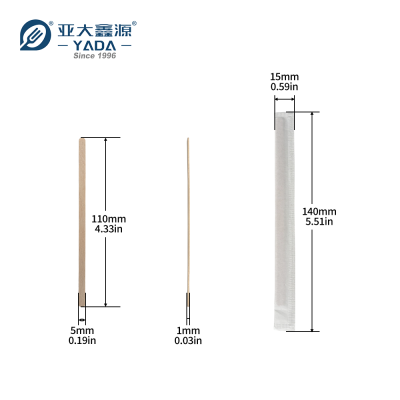
Choosing a coffee stirrer transcends the simple dichotomy of "wood versus plastic." It represents a strategic decision to partner with a supplier who deeply understands the nuances of your business risks and brand aspirations. By making a discerning investment in high-quality stirrers, you not only address operational pain points but also, with every stir, subtly safeguard and elevate your brand's reputation. This ensures that your customer experience remains consistently exceptional, fostering loyalty and reinforcing your market position.
Explore Your Perfect Match
Every brand has a unique story. Discover our curated selection of birchwood stirrers to find the ideal fit for your signature beverages and brand aesthetic.