The Sustainable Lifecycle of Birch Wood Ice Cream Spoons
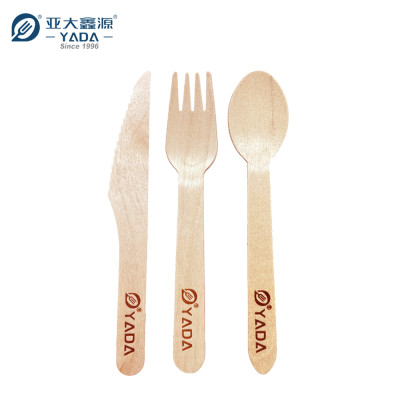
In our daily lives, disposable tableware is everywhere, wooden ice cream spoons are increasingly favored for their unique environmental attributes. These small utensils carry a complete life cycle, from natural growth in the forest to their eventual return to the earth. This article explores the journey of a wooden spoon, highlighting its sustainable value through every stage of production and disposal
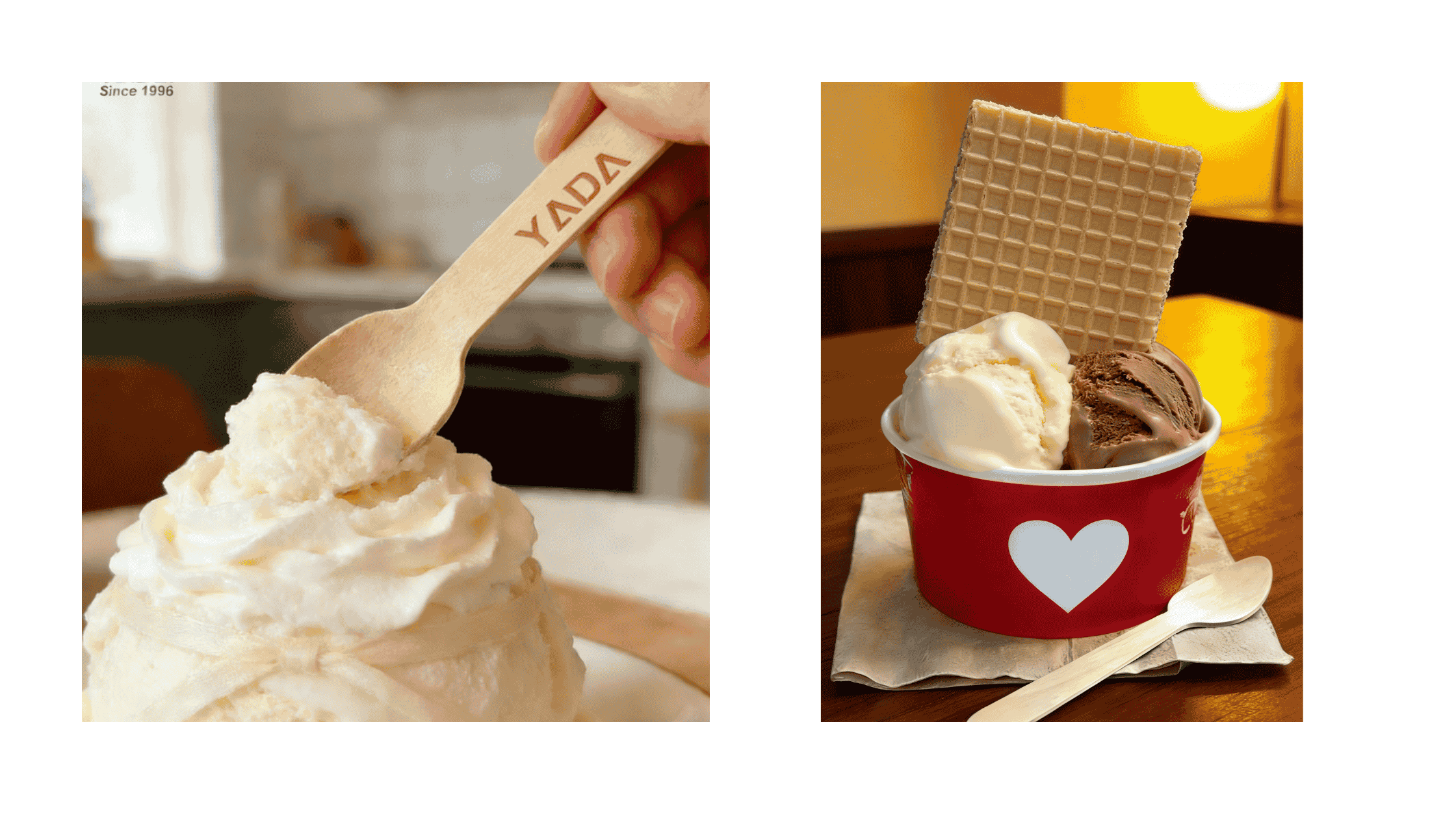
Raw Material Selection: The Secret of White Birch
The journey begins with White Birch (Birch wood), the ideal material for high-quality disposable cutlery.
Pure Taste: Its fine grain and odorless nature ensure that the original flavor of the ice cream remains untainted
Sustainable Growth: Birch is a fast-growing species with a short growth cycle, making it a highly renewable resource
Natural Strength: The wood offers excellent strength and toughness, ensuring the spoons are durable and convenient to use
Sustainable Forestry Management
To maintain ecological balance, birch production follows strict management principles:
Forest Certification FSC: These gold standards ensure timber is sourced from regulated areas where harvest volumes never exceed annual growth.
Scientific Harvesting: Methods like selective logging and thinning create space and sunlight for young trees, promoting natural forest regeneration.
Zero Waste: During manufacturing, the remaining wood cores are repurposed for paper pulp or biomass fuel.

Precision Manufacturing Process
The transformation from log to spoon is a highly automated and hygienic process:
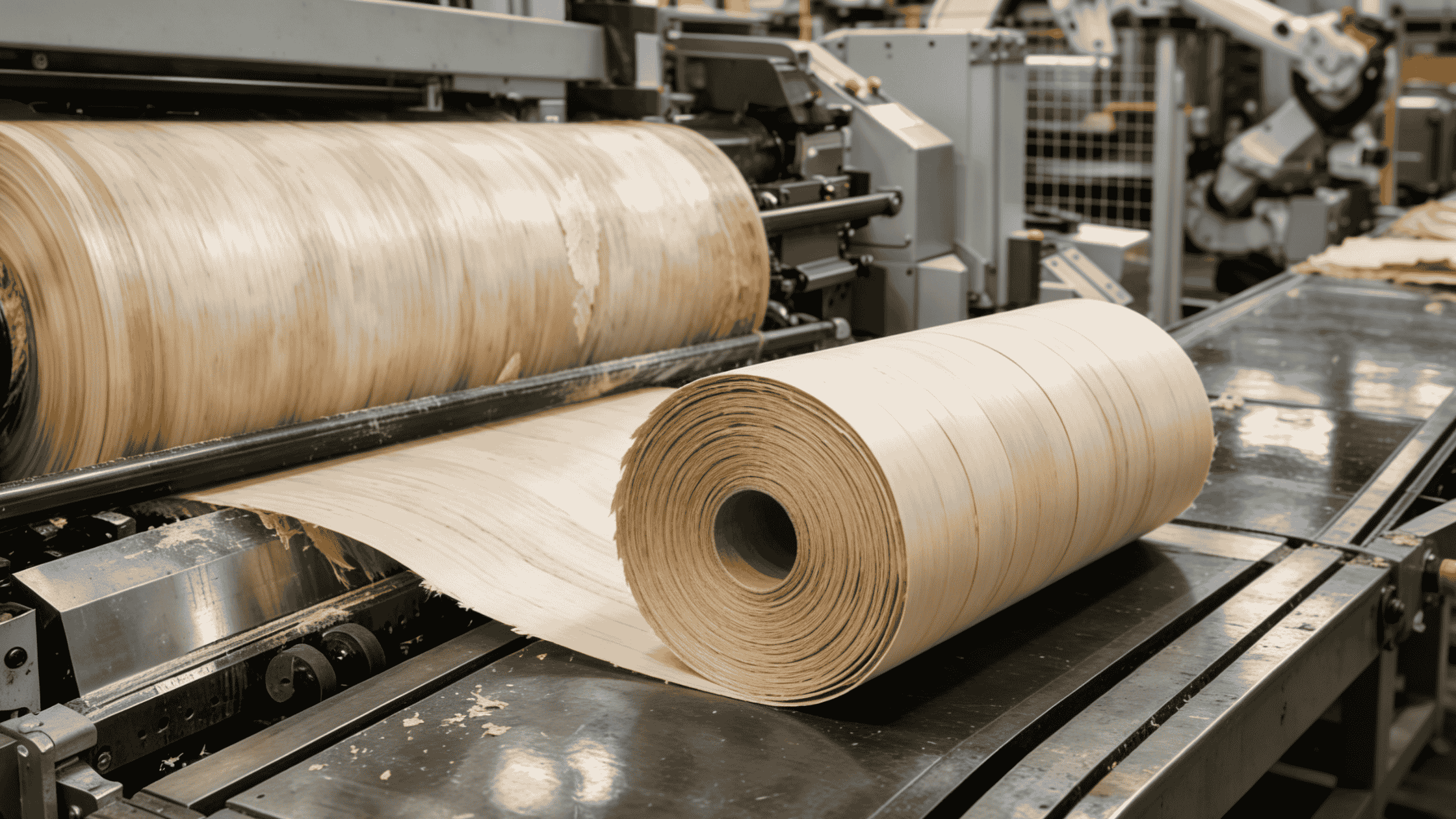
Softening: Birch logs are soaked in heated water to prepare them for processing.
Rotary Cutting: Logs are debarked and cut into thin, uniform veneer sheets.
Shaping: High-precision stamping equipment cuts the veneers into consistent spoon shapes.
Polishing & Drying: Spoons undergo multiple sanding stages to ensure a smooth finish before being dried to prevent mold.
Quality Control: Every batch is inspected to meet food-grade safety standards without the use of chemical additives.
Environmental Impact: Returning to Nature
The greatest advantage of wooden spoons over plastic is their ability to fully reintegrate into the environment.
Carbon Footprint: Trees absorb co2 during growth, whereas plastic production relies on fossil fuels and generates high carbon emissions
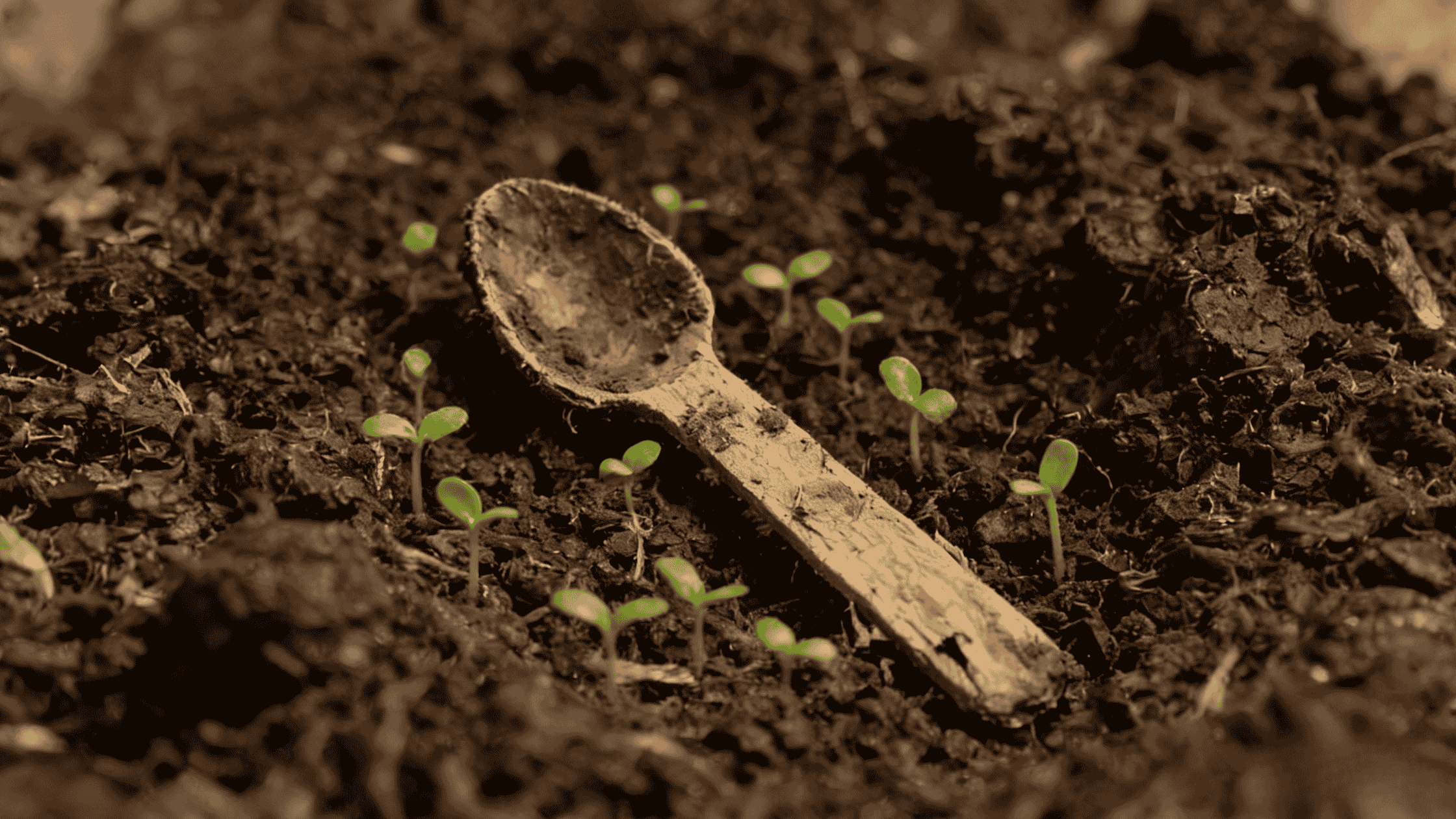
Composting & Degradation: Wooden spoons are fully compostable, breaking down into nutrient-rich soil
| Composting Type | Degradation Time | Conditions |
| Industrial Compost | 3–6 Months | High temp, high humidity |
| Home Compost | 6 Months – 1 Year | Natural temp and humidity |
Make the sustainable choice for your business. Understanding the full life cycle of a wooden spoon helps you communicate its value to your eco-conscious customers. If you are ready to take the next step, read our comprehensive article on [How to Choose the Best Wooden Ice Cream Spoons for Your Wholesale Business] to find the perfect fit for your wholesale needs.
A small wooden spoon represents a large commitment to a green cycle. From sustainable harvesting to biodegradable disposal, every step reflects a promise to the planet. Choosing wooden cutlery is a simple yet impactful way to contribute to a sustainable future